What our partners say about us
You are likely to be 100% satisfied with the work, with a score of 5.0 being our average.
Design hypothesis testing is the process of validating UX decisions through research, analytics, and experimentation to reduce risks and improve product performance.
During a recent presentation, methods and services for testing design hypotheses were discussed. In this article, we would like to share key insights and knowledge gained during the presentation.

Testing is the study of how easily, conveniently, and intuitively a target audience can use a product, system, or service.
It was also emphasized that the main goal of testing is to identify problems and difficulties before users start using the product. This helps avoid potential issues users may encounter and directly impacts the product’s success and further development.

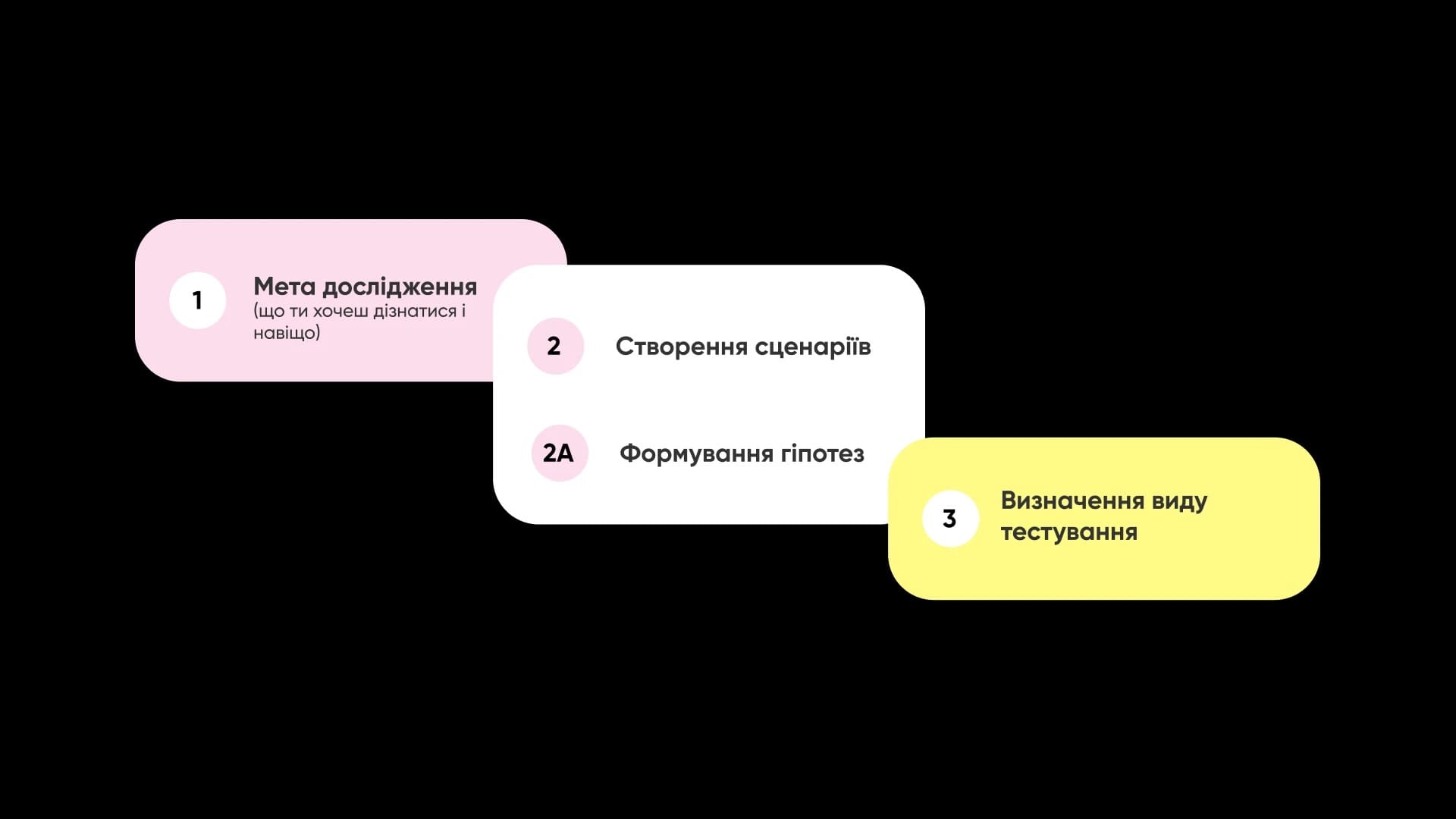
In general, there are around 20 UX research methods, which are divided into several categories. Based on the research subject, they are classified as:
Research is conducted in “field conditions,” meaning in the environment where your digital product will be used directly.
This method, like the ones that follow, has both advantages and disadvantages, so let’s review them.
Pros: obtaining information “first-hand”; identifying issues that cannot be discovered through laboratory research.
Cons: the cost of conducting the research can be high, and there is also a risk of obtaining subjective opinions.
Focus groups consist of a small number of respondents (usually fewer than ten), and the survey itself takes place in an informal setting. This method is used to gather information about users, their pain points, preferences, and how they interact with a product.
Pros: relatively fast data collection by surveying several respondents simultaneously within a short period of time.
Cons: because discussions in focus groups can be spontaneous and unstructured, it can sometimes be difficult to analyze the final results.
A/B testing is a common and effective method for studying user behavior. The essence of the research is that participants are offered several versions of your product. Differences may include overall layout, design solutions, hierarchical structure, and more.
Pros: helps quickly resolve design disputes or make changes to an existing product. A/B testing allows you to understand which interface will be more effective and useful for potential users.
Cons: to obtain statistically significant results, it is necessary to involve as many respondents as possible. As a result, research costs may be quite high for small companies.
Services: Freshmarketer, VWO, Optimizely
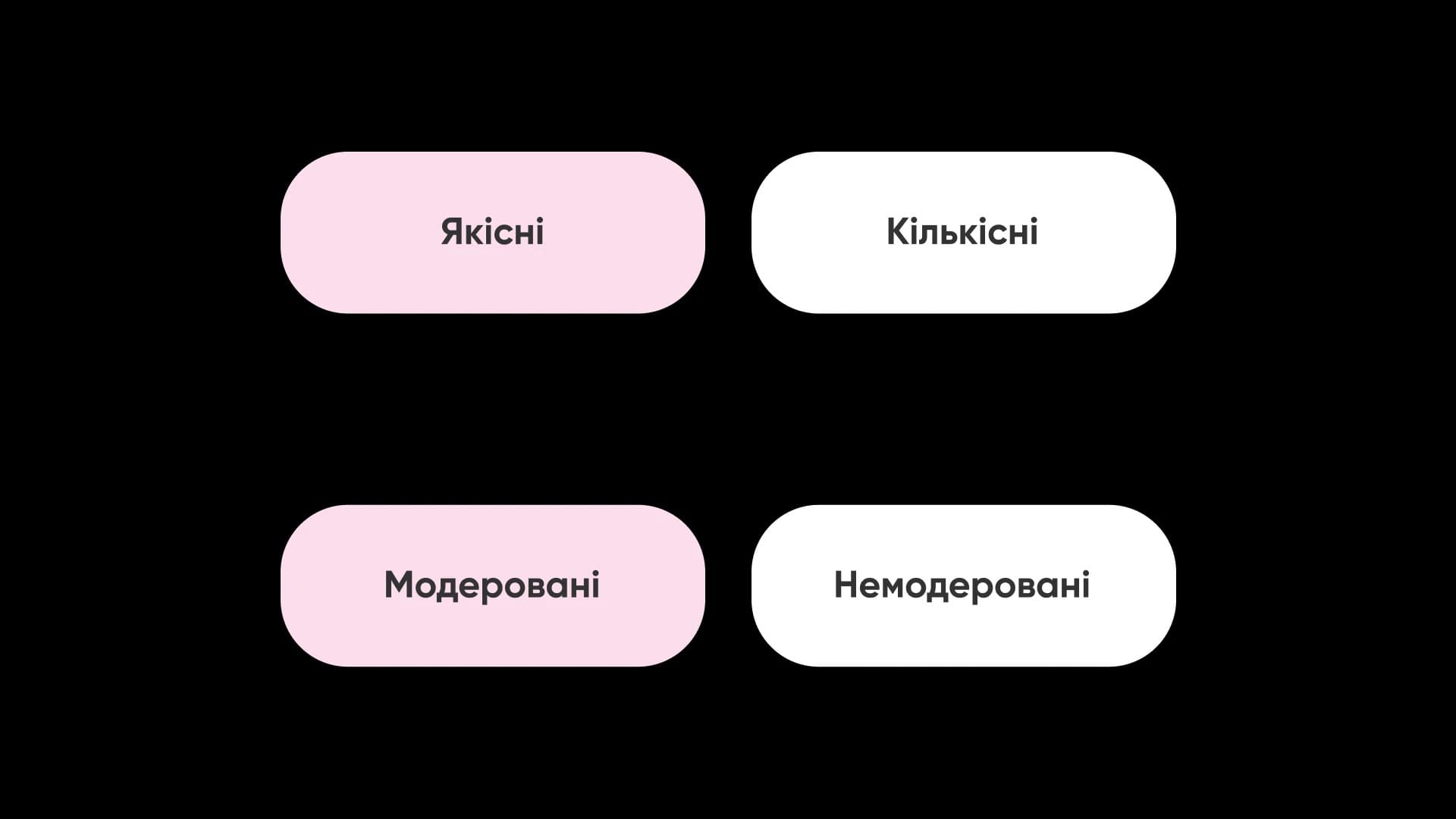
This method involves conducting a series of tests with a small group of users. Tests can be moderated (with a moderator guiding the testing process) or unmoderated (only a group of participants individually completing a set of tasks).
Heatmaps are an analytical tool for measuring the effectiveness of your website, allowing you to track the number of visitors to each page, the effectiveness of design elements, CTAs, and more.
Pros: heatmap research results help identify reasons for low conversion rates, analyze content informativeness and quality, and determine the effectiveness of dynamic elements, pop-ups, and call-to-action buttons.
Cons: if you have never used heatmap analysis before, it may seem difficult to interpret and implement at the initial stage.
Services: Hotjar, ClickTale, Crazy Egg, Microsoft Clarity
This is a UX research tool that allows teams to create and conduct user experience testing with a high level of flexibility and detail. Below are the key features and benefits of the Maze platform:
Direct prototype testing: Maze allows you to import prototypes from popular design tools such as Figma, Sketch, Adobe XD, and InVision, and test them with real users.
Interactive prototypes: the ability to create interactive prototypes that simulate real product usage experiences.
Qualitative and quantitative research: Maze supports various types of tests, including A/B testing, 5-second tests, heatmaps, and more.
Card sorting and surveys: built-in tools for conducting card sorting and surveys that help understand how users group information and perceive interfaces.
Detailed analytics: Maze provides detailed data and analytics, including heatmaps, click maps, and user paths, helping identify problem areas and improve UX.
Automated reports: the ability to create automated reports that can be easily shared with teams or stakeholders.
Intuitive interface: Maze has a simple and intuitive interface, making it accessible to both designers and non-technical specialists.
Quick test setup: the ability to quickly configure and launch tests without the need for coding.
Team collaboration: Maze supports teamwork, allowing multiple users to collaborate on projects and tests.
Collaborative editing and comments: the ability to jointly edit tests and add comments to improve internal team communication.
The Maze platform provides a powerful and flexible UX research tool, enabling teams to quickly and effectively collect data, analyze user behavior, and improve user experience based on real insights.
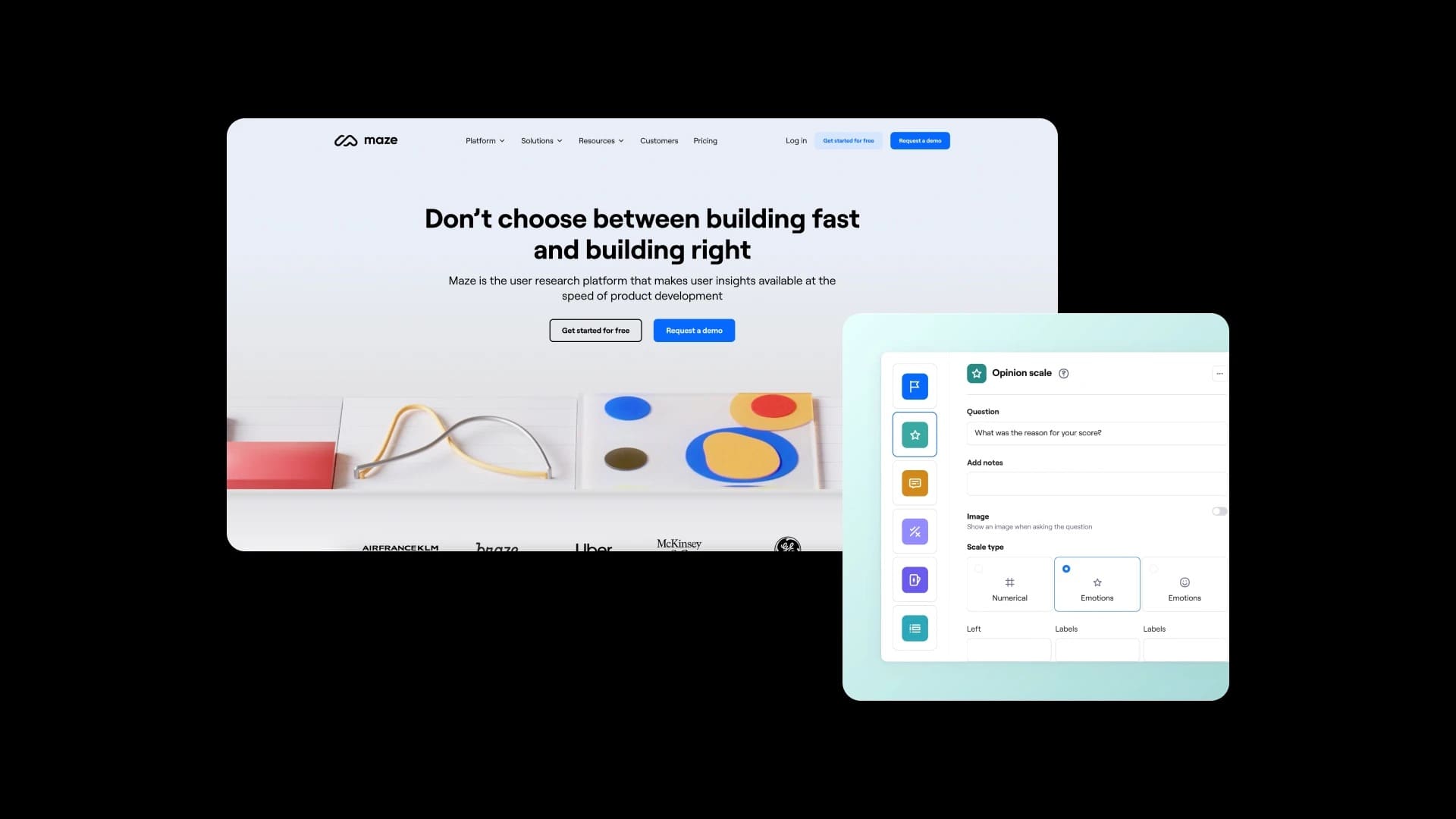
Powerful research tools designed to improve the usability of your digital products — from prototypes to production. The platform helps create websites with intuitive navigation and easy search.
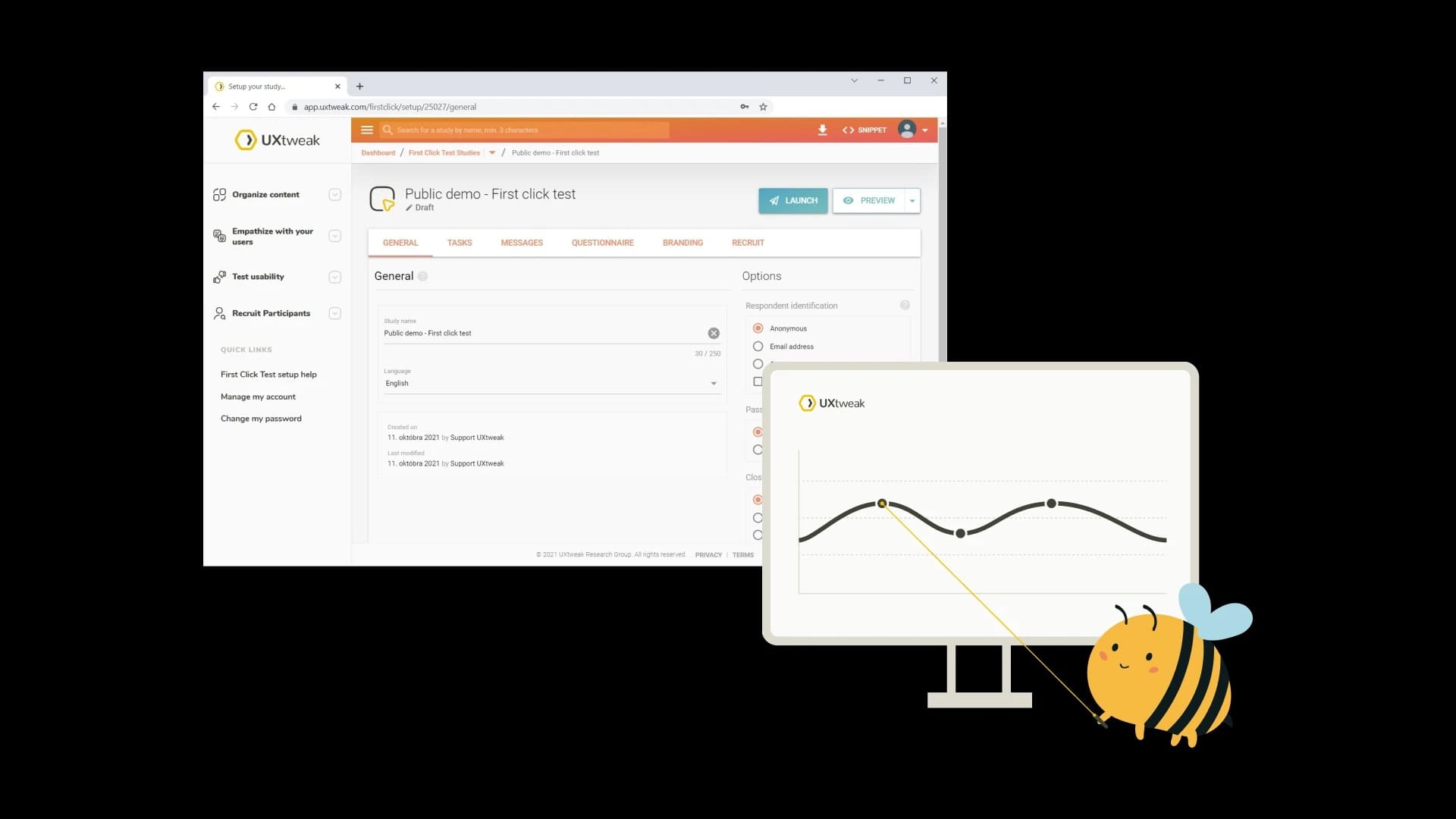
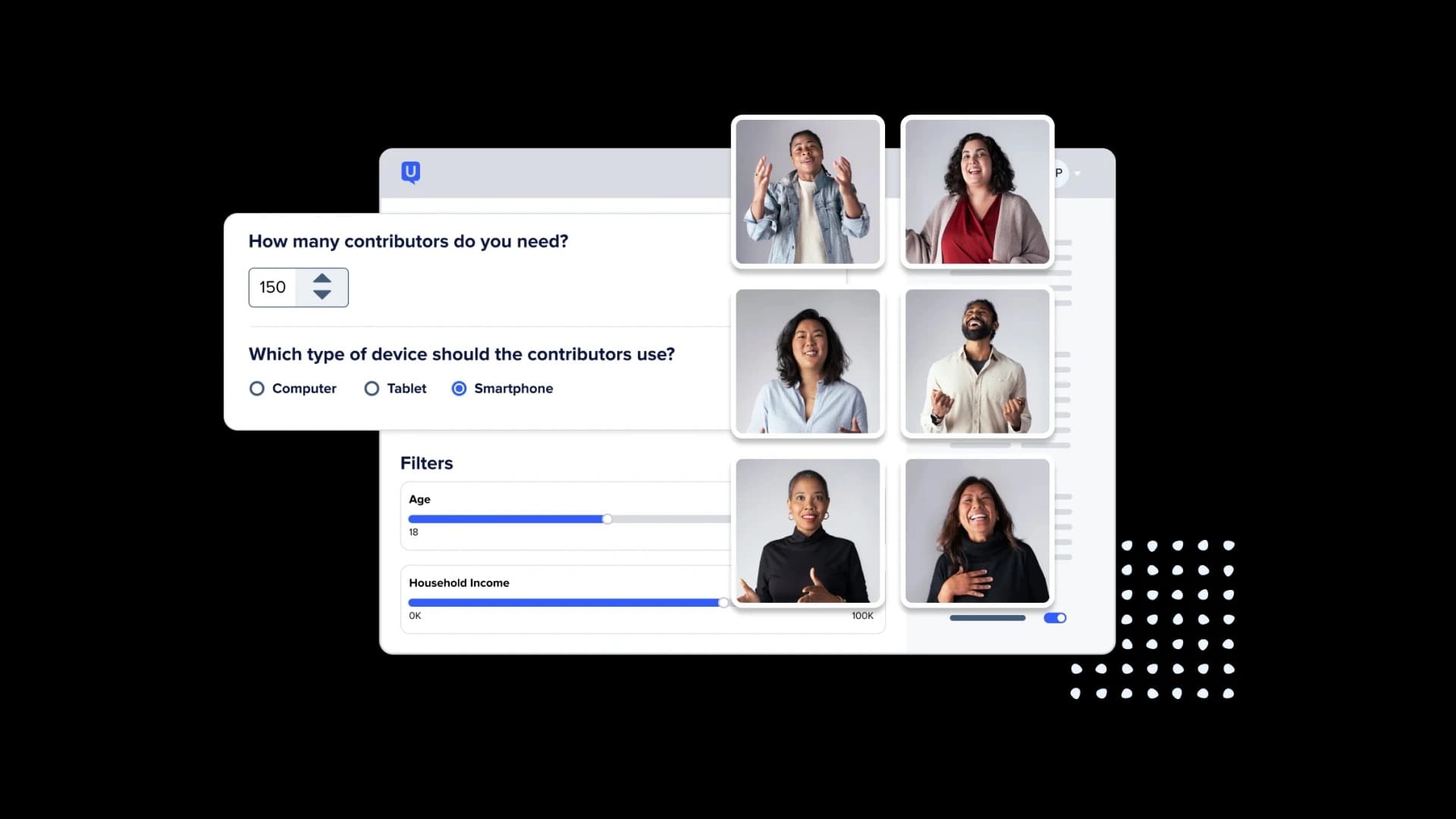
A modern and advanced method for testing web products that allows you to obtain real data about the minimum viable product, its features, or prototypes from real users. It is used to validate UX hypotheses of your own product or competitors’ products.
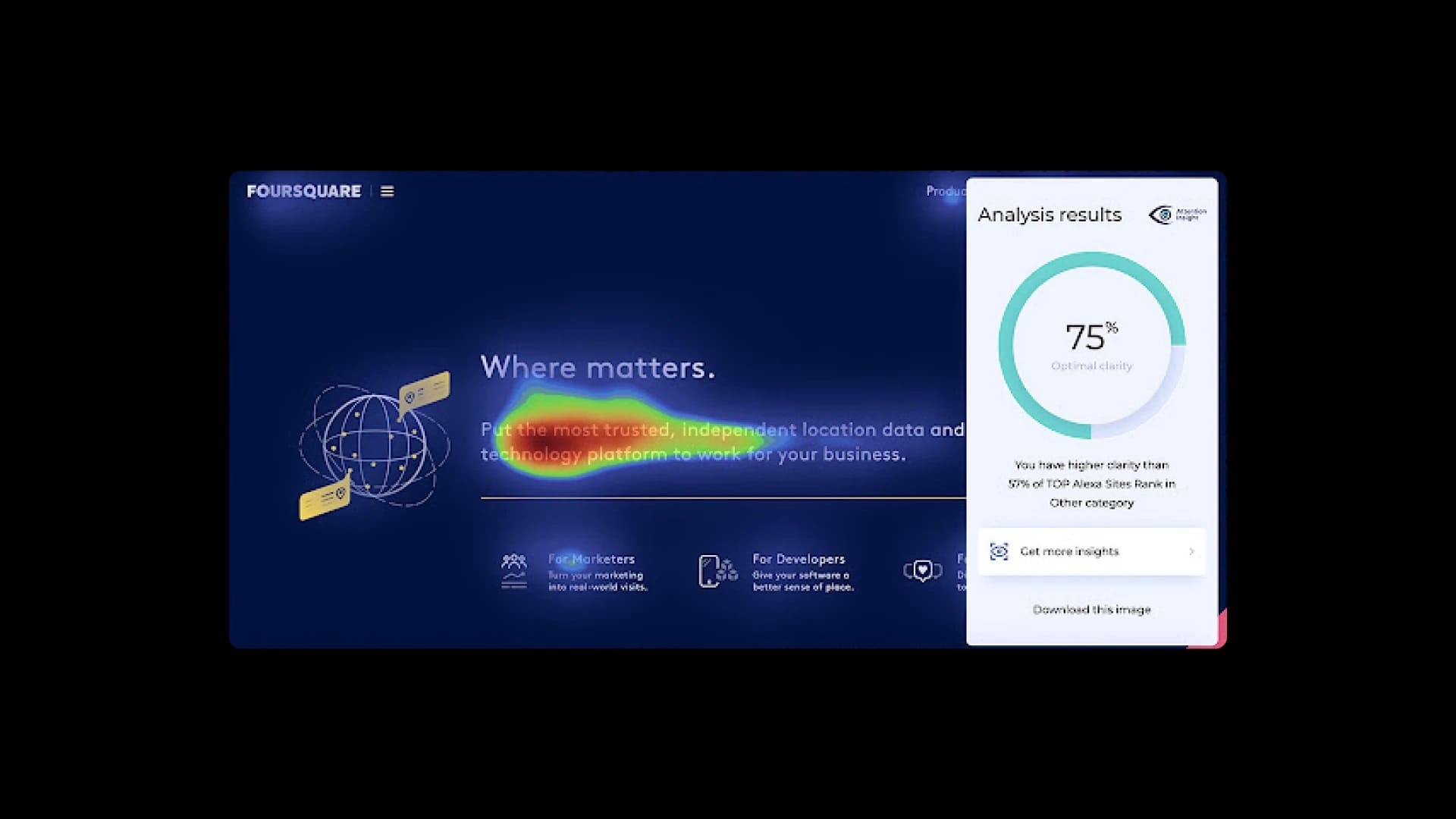
AI-powered design analytics
Create attention heatmaps directly where you work and discover ways to optimize your website!
AI-based design analytics allow you to see websites through users’ eyes. Learn how users interact with design, improve user experience, compare it with competitors, and make data-driven decisions.
All these methods deserve attention. Depending on a company’s needs, it is possible to choose a testing method that not only speeds up and simplifies project implementation but also positively affects the company’s reputation and helps save costs in the long term. Therefore, testing is truly important, especially in today’s business environment.
We hope that our presentation was interesting and helped you better understand the importance of testing design hypotheses, as well as which services and methods can be used.
If you have further questions or need a consultation, feel free to contact us.
We strive to be not only a source of information but also your reliable partner in the world of design and technology. Our team is ready to help you bring your ideas to life, develop your projects, and achieve great success together.
Thank you for your attention, and see you again soon!